
How to Choose a Rug in Dubai | Complete Buying Guide
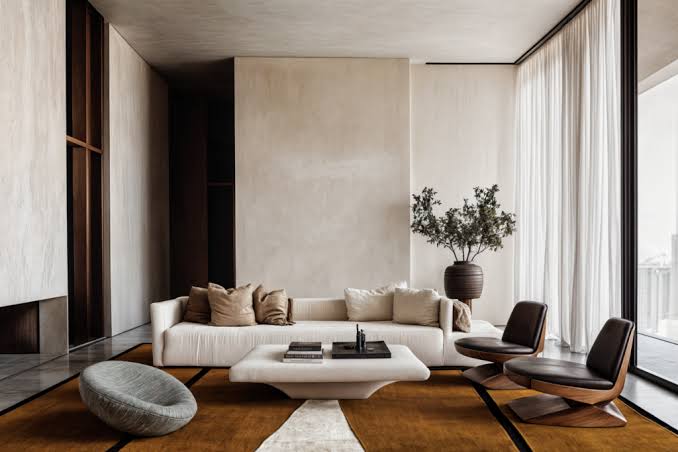
What Is a Rug? Rug vs Carpet in Dubai
A rug is a movable floor covering that usually covers part of a room, while wall-to-wall carpet is fitted across the full floor surface from wall to wall.

A rug gives flexibility. You can move it, replace it room by room, and layer it over tile, marble, or wood. Fitted carpet gives continuous coverage. It suits bedrooms, offices, and corridors where you want insulation, noise reduction, and one uniform surface.
Rug Dubai separates both product types on the website. Movable rugs and area pieces sit alongside wall-to-wall carpets and room-specific categories such as corridor rugs and outdoor rugs.
For a deeper definition, read Difference Between Carpet and Rug. For most Dubai living rooms, an area rug under the seating zone is the more flexible choice.
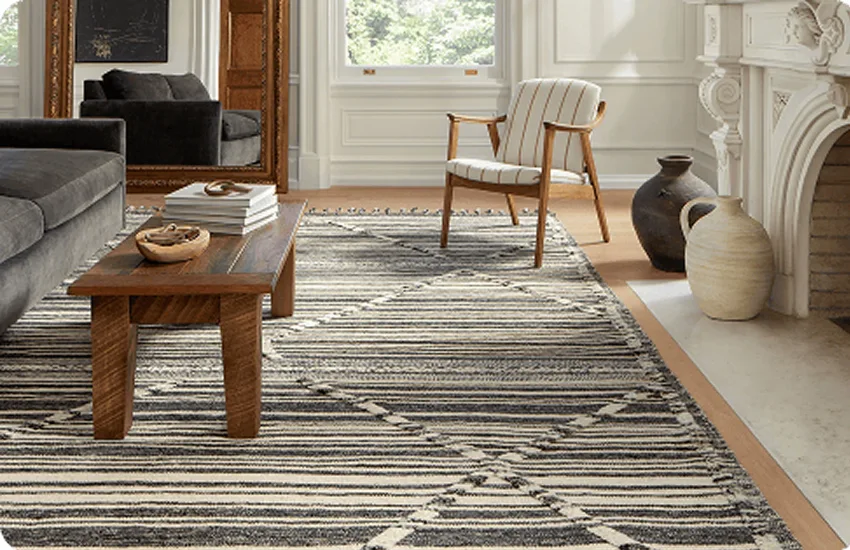
6 Things to Check Before You Buy a Rug in Dubai
Check six factors before you buy a rug in Dubai: room size, traffic level, material, construction, style, and budget.
1. Room Size and Layout
Measure the room in metres before you look at colours. Note sofa length, dining table size, bed width, and door swing paths. A rug that is too small makes the room feel disconnected. A rug that is too large can crowd the space and touch the walls.
2. Traffic Level
Match durability to daily use. A quiet bedroom needs less pile strength than a living room, dining area, or hallway. High-traffic zones need denser fibres, secure binding, and practical colours that hide dust between vacuuming.
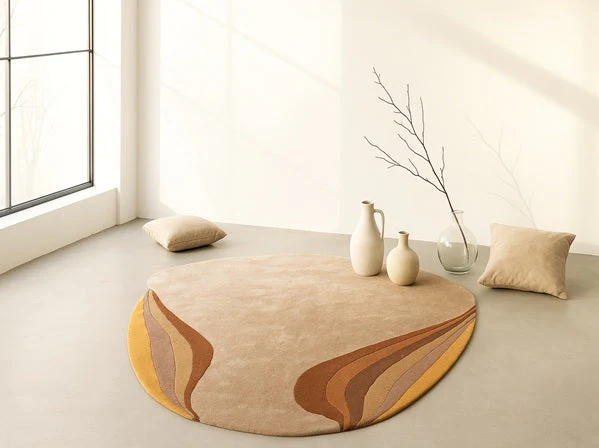
3. Material
Rug materials include wool, silk, cotton, jute, sisal, and synthetic fibres such as nylon and polyester. Each fibre handles heat, spills, and cleaning differently. Dubai dust and sand make fibre choice important for long-term maintenance.
4. Construction, Craftsmanship, and Style
Construction covers how the rug is made and how it looks. Compare handmade versus machine-made builds, hand-knotted versus hand-tufted versus flatweave piles, and styles such as Persian, Turkish, Moroccan, contemporary, and traditional patterns. Country of origin matters most for handmade Persian, Turkish, and tribal pieces.
5. Handmade vs Machine-Made Construction
Handmade rugs offer individuality, tighter craft standards on premium pieces, and stronger repair potential. Machine-made rugs offer consistent patterns, faster supply, and lower entry prices. Price, production time, uniqueness, repairability, and expected lifespan all change with construction type.
6. Budget in AED
Set a realistic range in dirhams before you visit a showroom or order online. Budget, mid-range, and premium tiers all exist in Dubai, but final cost depends on size, fibre, construction, and customisation.
Best Rug Materials for Dubai Homes
Wool, synthetic fibres, and cotton suit most Dubai homes for daily use; silk suits low-traffic decorative rooms that need fine detail and sheen.
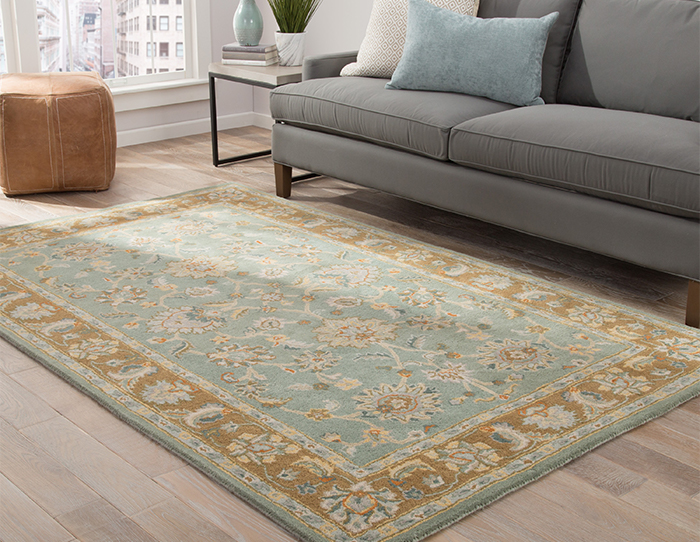
Wool Rugs
Wool rugs resist crushing, hold colour well, and tolerate regular vacuuming. Natural lanolin in wool fibres adds practical stain resistance on quality pieces. Wool suits living rooms, bedrooms, and hallways in air-conditioned villas and apartments.
Browse the Wool Rugs Dubai collection for handmade, hand-tufted, and decorative options.
Silk Rugs
Silk rugs display finer patterns and a reflective sheen. They suit formal rooms, bedrooms, and display areas with lower foot traffic. Silk needs more careful placement away from direct sun and moisture.
Unsure which premium natural fibre suits your room? Read our complete Wool vs Silk Rugs (https://rugdubai.com/wool-vs-silk-rugs/) comparison.
Cotton, Jute, and Sisal
Cotton, jute, and sisal rugs suit light-use zones such as kitchens, covered patios, and secondary bedrooms. Natural plant fibres add texture but absorb moisture more easily than wool. Check the Types of Rug Materials guide for a full fibre breakdown.
Synthetic Rugs
Synthetic rugs made from nylon, polyester, or polypropylene suit high-traffic areas, rental properties, and outdoor spaces. They clean easily and cost less than handmade wool or silk. They may not offer the same long-term character as natural fibres on premium handmade pieces.
Handmade vs Machine-Made Rugs: Which Should You Buy?
Machine-made rugs suit buyers who need consistent sizing and lower prices; handmade rugs suit buyers who value craftsmanship, uniqueness, and long-term character.
Machine-Made Rugs for Affordability and Consistency
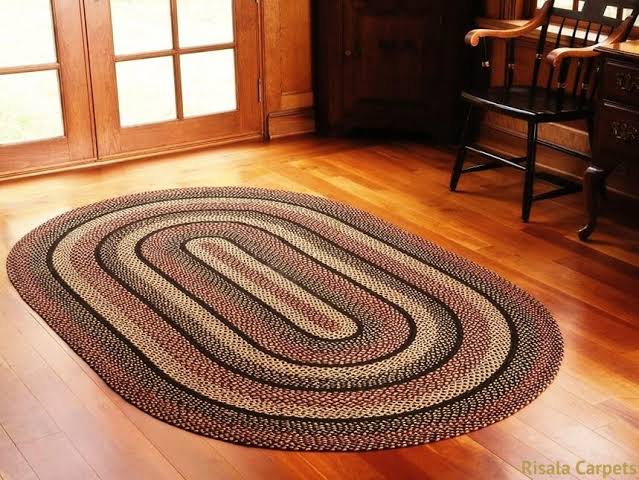
Machine-made rugs use power looms. They repeat patterns evenly, arrive in standard sizes such as 160×230 cm, 200×300 cm, and 240×330 cm, and start at accessible price points. They suit rental homes, offices, and rooms where you want a fresh look without a premium craft budget.
Handmade Rugs for Craftsmanship and Individuality
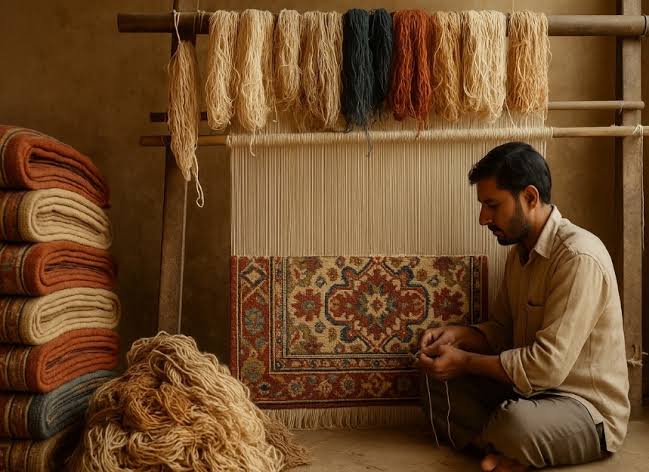
Handmade rugs include hand-knotted, hand-tufted, and hand-woven pieces. Each rug carries slight variation in pattern and pile. Premium handmade wool and silk rugs can last 15–25 years with proper care. Repair work on fringes and edges is often possible on quality handmade construction.
Explore the Handmade Rugs Dubai range for knotted and artisan options.
Hand-Knotted vs Hand-Tufted vs Flatweave Rugs
Hand-knotted rugs tie each knot individually and often carry the highest craft value. Hand-tufted rugs punch yarn through a backing and finish faster at mid-range prices. Flatweave rugs such as kilims have no pile and suit modern, low-profile interiors. Match construction type to room traffic and budget before you choose a pattern.
How to Choose Rug Size for Your Room
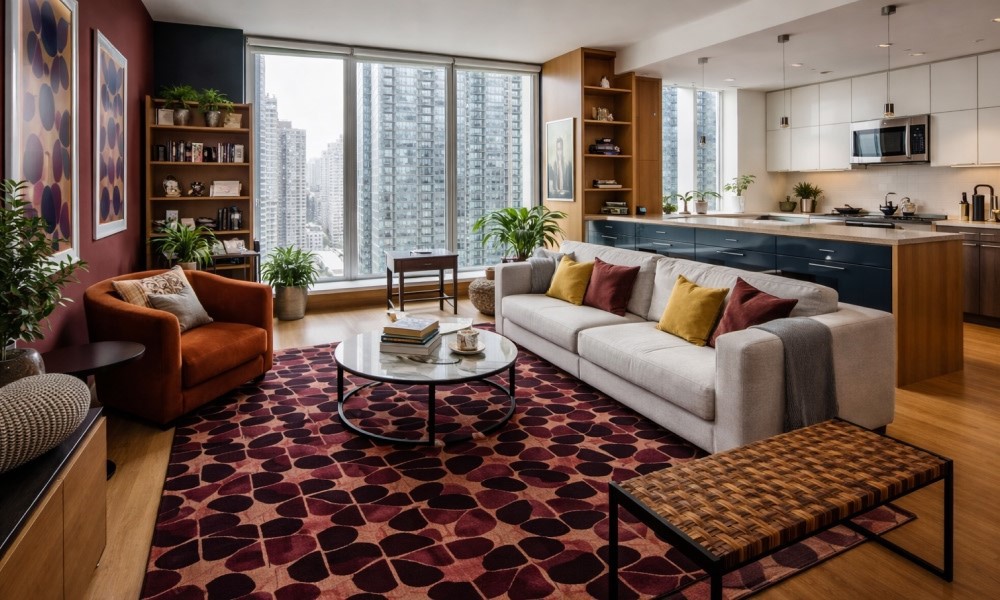
For a standard Dubai living room, use a rug measuring 200×300 cm to 240×330 cm with at least 60 cm of rug extending beyond the sofa on each side.
Living Room Sizing Rules
A living room rug should visually connect the main seating. At minimum, place the front legs of the sofa and chairs on the rug. For a stronger anchor, let all four legs sit on the rug in larger rooms. Common living room sizes include 160×230 cm for compact apartments, 200×300 cm for standard layouts, and 300×400 cm for large villas.
Read the full How to Choose the Right Rug Size for Your Living Room guide for detailed diagrams and tips.
Dining Room, Bedroom, and Hallway
Dining rugs must extend 60–75 cm beyond the table so chairs stay on the rug when pulled out. Bedroom rugs should extend 60–90 cm beyond the sides and foot of the bed. Hallway runners must leave enough clearance for doors to open freely. Use painter’s tape on the floor to test the footprint before you order a custom-made rug.
Custom Sizes
Standard sizes do not fit every Dubai layout. Custom sizing solves L-shaped living rooms, wide open-plan zones, and irregular villa spaces. Rug Dubai offers custom design with free samples so you can confirm colour and scale before production.
How to Check Rug Quality Before You Pay
Check construction quality, fibre authenticity, edge finishing, and pattern alignment before you pay for any rug in Dubai.
Knot Density and Construction Quality
Knot density (KPSI) applies mainly to hand-knotted rugs. Count knots in a 2.5 cm square on the back and multiply for a rough KPSI figure. Premium hand-knotted wool rugs often fall between 100 and 300 KPSI. Fine silk pieces can exceed 400 KPSI on intricate designs.
For hand-tufted and machine-made rugs, check pile density, backing quality, and how evenly the surface is sheared. On all rug types, inspect straight edges, secure binding, consistent pile height, and pattern alignment across both halves.
Fibre Feel, Fringe, Symmetry, and Finishing
Run your hand across the pile. Quality wool feels resilient and springs back. Check fringe knots for looseness. Fold a corner gently to see if the rug lies flat. Compare pattern symmetry from the centre line outward.
Red Flags Before Purchase
Avoid rugs with strong chemical smells, visible colour bleed on a damp white cloth test, uneven shearing, or labels that say “silk” without clarifying viscose or art silk content. Ask the seller to confirm fibre composition in writing on the invoice.
Do You Need a Rug Pad?
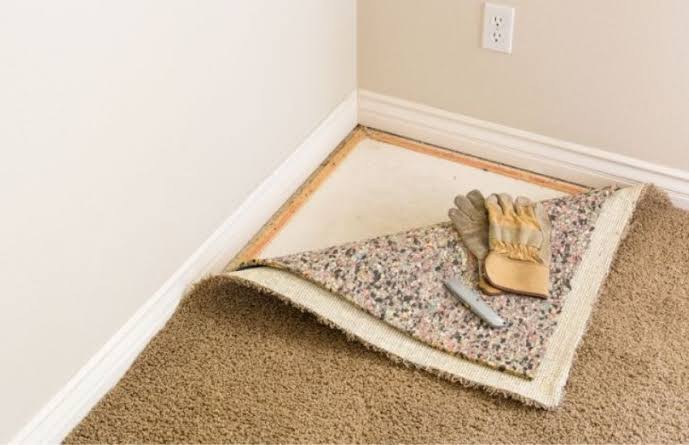
A rug pad reduces slipping, cushions the pile, and protects marble, wood, tile, and vinyl floors in Dubai homes.
Non-Slip Support and Floor Protection
Marble and polished tile are common in UAE properties. Without a pad, rugs slide and crease at the corners. A quality pad grips the floor and keeps the rug stable under foot traffic.
Cushioning and Wear Reduction
Pads absorb impact from furniture and footsteps. That extends rug life and makes walking more comfortable on harder floor surfaces.
Pad Thickness and Correct Sizing
Choose a pad 2–3 cm smaller than the rug on each side so the pad stays hidden. Thick pads suit plush rugs; thin non-slip pads suit flatweave and low-pile pieces.
Floor Compatibility
Match the pad to your floor type. Felt and rubber blends work on wood and tile. Avoid pads that may mark vinyl or react with certain sealants. Rug Dubai can advise on underlay when you order custom-made rugs .
How Much Do Rugs Cost in Dubai?
Prices below are broad buying tiers. The exact cost depends heavily on rug size, material, construction, knotting, origin, age, design, brand, and customisation.
Budget Tier — AED 200 to 1,000
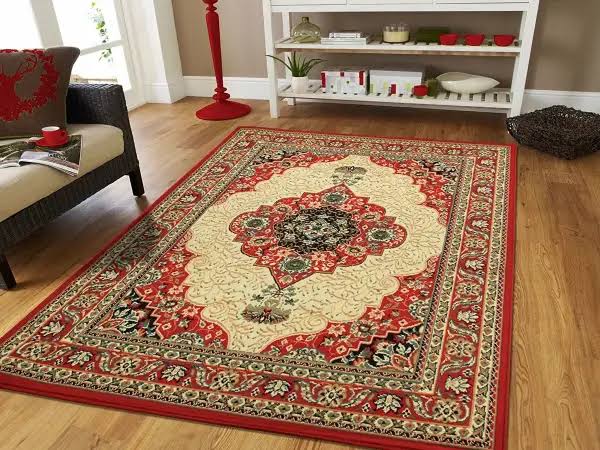
Budget rugs include small machine-made synthetics, basic cotton pieces, and entry-level polypropylene rugs. They suit spare rooms, rentals, and temporary styling.
Mid-Range Tier — AED 1,000 to 5,000
Mid-range rugs include larger machine-made wool blends, hand-tufted wool pieces, and medium handmade rugs. This tier covers many family living rooms and bedrooms in Dubai.
Premium Tier — AED 5,000 and Above
Premium rugs include large hand-knotted wool carpets, Persian workshop pieces, and fine silk or wool-silk blends. Large handmade Persian wool and silk rugs in Dubai can reach tens or hundreds of thousands of dirhams depending on size, knot count, and provenance.
What Changes the Final Price
Size is the biggest price driver. A 300×400 cm rug costs far more than a 160×230 cm piece in the same collection. Handmade construction, natural silk content, regional origin, vintage age, and custom colour work all add to the final invoice. Always confirm whether the listed price is for the complete rug or per square metre.
Where to Buy Rugs in Dubai
Buy rugs in Dubai from showrooms that let you see pile and colour in person, or from online stores that offer samples, clear return terms, and reliable delivery.
Showroom vs Online
Showrooms let you feel pile density and check colours under different lighting. Online ordering suits buyers who already know their size and want home delivery across Dubai and the UAE. Rug Dubai offers both — visit the Al Quoz showroom or order online with free samples on many collections.
For location options, see Where to Buy Carpets in Dubai .
Questions to Ask Before You Pay
Ask the seller these 10 questions before you confirm payment:
- Is the rug handmade or machine-made?
- Is it pure wool, pure silk, viscose, or a blend?
- Is the listed price for the complete rug or per square metre?
- Can I request a sample?
- Is custom sizing available?
- What is the return policy?
- Does the colour vary under different lighting?
- Is delivery included?
- Does the rug need a pad?
- What cleaning method do you recommend?
Rug Dubai offers free samples on many lines, custom sizing, delivery, and a stated 14-day return policy. Call +971 50 637 9229 or WhatsApp the team for sizing help.
Rug Care After Purchase in Dubai
Vacuum wool and synthetic rugs weekly in Dubai to remove sand and dust; arrange professional cleaning every 12–18 months for high-traffic rooms.
Blot spills immediately with a clean cloth. Do not soak handmade wool or silk rugs at home. Rotate the rug every 3–6 months so sun and traffic wear evenly. Use a rug pad from day one.
For delicate Persian and silk pieces, book Persian Rug Cleaning Dubai or general Rug Cleaning Dubai rather than risk DIY damage. Read How to Clean a Carpet at Home for basic maintenance on synthetic and low-pile rugs only.
Frequently Asked Questions
What rug size is best for a Dubai living room?
A 200×300 cm or 240×330 cm rug suits most Dubai living rooms. The rug should extend at least 60 cm beyond the sofa on each side, with the front legs of all seating on the rug.
Should a rug go under the sofa?
Yes — at minimum, place the front legs of the sofa on the rug. In larger rooms, place all four legs on the rug for a stronger visual anchor.
Are handmade rugs better than machine-made rugs?
Handmade rugs offer stronger craftsmanship and individuality on premium pieces. Machine-made rugs offer lower prices and consistent patterns. The better choice depends on budget, traffic, and how long you plan to keep the rug.
What rug material is easiest to clean?
Synthetic nylon and polypropylene rugs are easiest to clean for everyday spills. Wool is practical with regular vacuuming and periodic professional cleaning. Silk needs specialist care.
Do I need a rug pad on marble or tile?
Yes. A rug pad stops slipping on marble, tile, and polished floors common in Dubai homes. It also protects the floor and extends rug life.
How can I tell whether a rug is good quality?
Check construction type, pile density, edge binding, pattern alignment, and fibre label accuracy. For hand-knotted rugs, inspect knot consistency on the back. Test a hidden corner for colour bleed.
Is it better to buy rugs online or from a showroom?
Showrooms let you touch the pile and judge colour in person. Online stores suit buyers who know their size and want delivery across the UAE. Rug Dubai supports both with samples and returns.
How much should I spend on a rug in Dubai?
Many buyers spend AED 1,000 to 5,000 for a quality living room rug. Budget synthetics start lower. Fine handmade Persian and silk pieces cost significantly more depending on size and craft.
